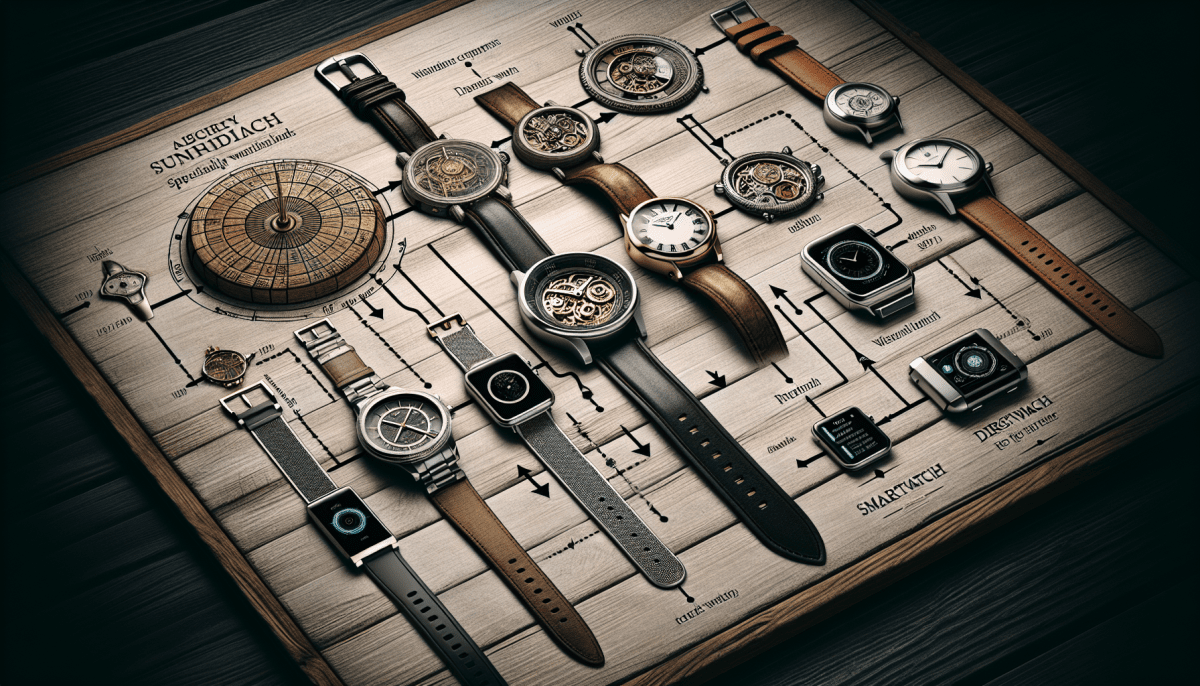
Wristwatches have come a long way from their early days as pocket watches. Back in the day, people carried watches in their pockets, which were often fancy pieces of art. They were attached to a chain, making them easy to pull out and check the time. While they were elegant and showcased incredible craftsmanship, they weren’t the most practical for everyday life.
As the pace of life picked up, the need for a more convenient way to keep track of time led to the birth of wristwatches. The first wristwatches were, believe it or not, mostly seen as women’s accessories. It wasn’t until the early 20th century, especially during World War I, that they gained popularity among men. Soldiers found wristwatches far easier to use than pocket watches while in battle. It was all about functionality!
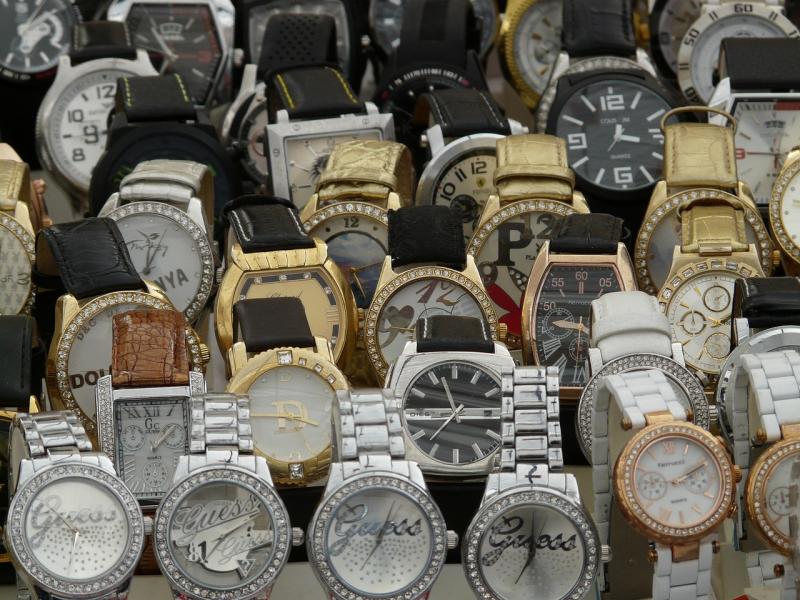
Fast forward to today, and wristwatches come in all shapes, sizes, and styles. From sporty designs to elegant dress watches, there’s something for everyone. Smartwatches have also entered the scene, blending technology with traditional timekeeping. You can track your heart rate, receive messages, and even answer calls right from your wrist. It’s amazing how far we’ve come!
The evolution of wristwatches really reflects our changing lifestyles. As they transitioned from pocket pieces to everyday essentials, they’ve kept pace with our needs. Each style tells a story—not just about timekeeping, but about who we are and how we live our lives today. Whether you like a classic analog or a modern smartwatch, there’s no denying that wristwatches continue to hold a special place in our hearts.
Key Innovations Shaping Watch Design
The world of wristwatches has seen some amazing changes over the years, thanks to key innovations that have transformed how we design and use these timepieces. Let’s dive into some of the coolest advancements that have shaped watch design.
First up, smartwatches have completely changed the game. With features like notifications, fitness tracking, and even heart rate monitoring, these devices do so much more than just tell time. Brands have done a fantastic job merging technology with style, allowing you to wear a mini-computer on your wrist without sacrificing elegance.
Another big shift is the rise of sustainable materials. As more people care about the environment, watchmakers are responding by using recycled metals and eco-friendly materials like bamboo. Not only does this help reduce waste, but it also gives consumers a stylish option that aligns with their values.
Design versatility is also a hot topic in watchmaking. Many brands now offer customizable options, letting you choose straps, faces, and features that fit your personal style. Whether you want something sleek for the office or a bold piece for a night out, there’s a watch out there to express your individuality.
And let’s not forget about advanced movements. Innovations in quartz and automatic movements have made watches more accurate and reliable than ever. This means you can count on your watch to keep ticking even through long days, making it a trusty companion for all your adventures.
Iconic Styles Through the Decades
The world of wristwatches is like a time capsule, showcasing iconic styles that have evolved over the decades. Each era brought its own flavor and creativity, reflecting the culture and technological advancements of the time. Let’s take a stroll down memory lane to see how these remarkable pieces of art transformed through the years.
In the 1920s, wristwatches gained popularity as fashionable accessories, shifting from pocket watches to stylish wrist-worn pieces, especially for women. Brands like Cartier dazzled with their Art Deco designs, characterized by geometric shapes and bold patterns. The Roaring Twenties embraced elegance, making wristwatches a must-have for those looking to express their style.
The 1950s and 60s marked a significant shift, with watches becoming a symbol of adventure and exploration. Dive watches emerged during this era, designed for those who sought thrills beneath the waves. Iconic brands like Rolex introduced models that not only looked good but also performed exceptionally well under pressure. Think James Bond's wrist watch, adding a touch of sophistication and ruggedness to the mix!
As we moved into the 1970s, digital technology made waves, literally! The introduction of quartz watches revolutionized the market. Brands like Seiko showcased sleek LCD designs, appealing to a younger, tech-savvy crowd. The funky colors and flashy designs of this decade reflected the vibrant spirit of the times. It was all about being bold and breaking away from traditional styles.
Fast forward to the 2000s and beyond, we see a blend of classic and modern influences. Smartwatches took the stage, combining traditional watch elements with cutting-edge technology. Now, it's possible to track fitness, receive notifications, and even make calls right from your wrist. The best part? There’s still room for those timeless mechanical watches that remind us of the beauty of craftsmanship and history.
The Future of Wristwatch Technology
Wristwatch technology has come a long way, and it’s only getting more exciting. With smartwatches leading the charge, we’re seeing features that were once thought to be purely sci-fi become a reality. Imagine tracking your heart rate, checking your texts, and even controlling your smart home, all from your watch. It's like having a mini smartphone right on your wrist!
One of the biggest innovations is the integration of health monitoring features. Many modern watches can not only tell time but also monitor your sleep patterns, blood oxygen levels, and even stress levels. This makes them perfect for fitness enthusiasts and those who just want to keep an eye on their wellness. It’s pretty cool to think that your wrist can help you stay healthy!
Battery life is another area where technology is evolving. Early smartwatches struggled to last a full day, but now we're seeing models that can hold a charge for a week or even longer! This means less time worrying about charging and more time enjoying all the fancy features. Plus, there are even solar-powered options, so you can charge your watch just by wearing it outside.
Design-wise, the future is also bright. Tech companies are collaborating with fashion designers to create stylish, sleek watches that don’t scream "tech." They’re making it easier than ever to find a watch that looks good for any occasion, whether you're at the gym or out for a night on the town. With so many options, there's something for everyone!